


Sierra Leone Election: Fair Majority, Deep Regional Divide
- Grace Bangura

- Dec 17, 2025
- 2 min read

A recent Afrobarometer survey indicates that a national majority of Sierra Leonean citizens (69%) perceive the 2023 presidential election as free and fair. However, this perception is subject to significant variation across geographical regions and political affiliations.
Specifically, 69% of citizens nationwide rated the election as either “completely free and fair” or “free and fair with minor problems.” This aggregate figure, however, obscures a pronounced regional divergence. In the Eastern and Southern regions, strongholds of the incumbent Sierra Leone People’s Party (SLPP), approval was exceptionally high, with 94% of residents in the East and 90% in the South offering a positive assessment. In contrast, opposition-leaning areas showed notably lower approval: 44% in the Western Area, 46% in the Northern Region, and 48% in the North West.
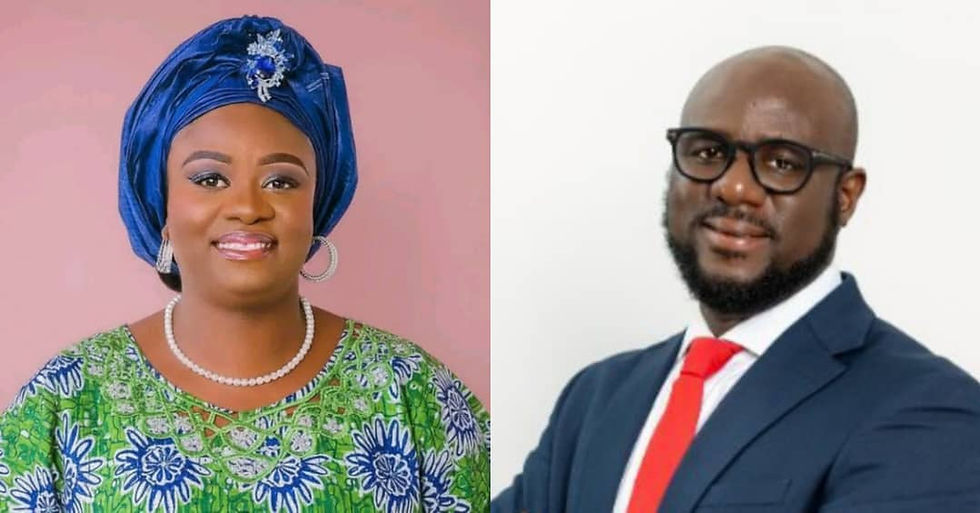
Andrew Lavali, Executive Director of the Institute for Governance Reform, which conducted the survey, commented, “The data reveals two distinct realities coexisting within one country. A citizen’s place of residence and political allegiance overwhelmingly determine their fundamental view of the legitimacy of the last electoral process.”
Perceptions largely mirrored political support. Among SLPP supporters, 93% considered the election free and fair, compared to only 41% of All People’s Congress (APC) supporters. Non-partisan citizens occupied an intermediate position at 59%.
Despite these partisan differences, citizens reported a high degree of personal electoral autonomy. Notably, 98% felt free to vote without coercion, and 89% believed their vote was secret. This suggests that perceptions of legitimacy are driven more by political and regional identity than by concerns over procedural coercion.
President Julius Maada Bio secured re-election for a second term on June 24, 2023. International observers, including the European Union and the Carter Center, documented instances of fraud and malpractice, with the EU specifically citing statistical inconsistencies in the reported results. The APC leader, Samura Kamara, contested the outcome, demanding the Electoral Commission for Sierra Leone (ECSL) release complete results.
Following international mediation, the government and the APC established the Tripartite Committee for peace, supported by the United States, the United Kingdom, and the European Union. In June 2024, the committee, composed of representatives from both parties, committed to addressing 169 recommendations, prioritizing 80 key reforms focused on transparency, electoral system strengthening, and legislative and institutional improvements.
Notwithstanding these efforts, Dr. Kamara continues to call for a re-election, citing unresolved “divergent areas” within the committee's report. According to the APC’s internal analysis of the results, the party claims to have received 57.15% of the vote, while President Bio received 39.40%.
The survey critically highlights the persistent regional and political polarization in perceptions of electoral fairness, underscoring the ongoing challenge required to cultivate a shared national consensus in advance of future electoral cycles.


Comments