


New TVET Initiative Launched to Support Returned Migrants

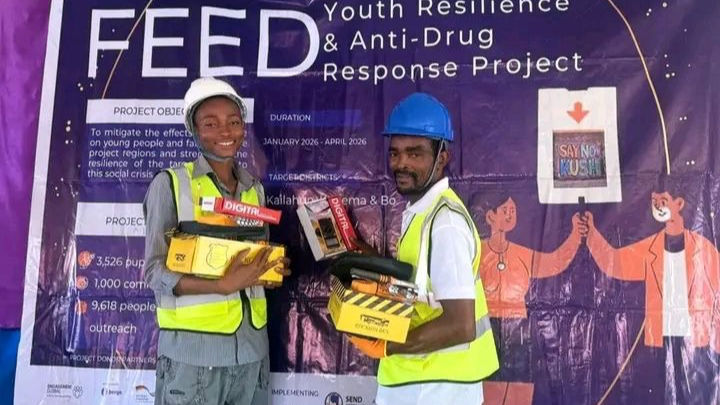
Sierra Leone has launched a new Technical and Vocational Education and Training (TVET) initiative aimed at equipping returned migrants with practical skills for reintegration and sustainable employment, as part of broader efforts to tackle youth unemployment and irregular migration.
The programme was unveiled with representation from the Ministry of Technical and Higher Education, where Deputy Minister Sarjoh Aziz-Kamara described the initiative as a strategic response to national development priorities, particularly youth empowerment and job creation.
According to officials, the project is designed to provide beneficiaries with hands-on training in market-relevant trades, including welding, solar installation, electrical work, aluminium fabrication, information and communication technology (ICT), painting, and tiling. These sectors have been identified as critical to both infrastructure development and private sector growth.
The initiative is being implemented in collaboration with international development partners, including migration-focused agencies supporting reintegration programmes for returnees. It targets individuals who have returned to Sierra Leone through voluntary or assisted return mechanisms, offering pathways to economic independence.
Officials noted that the programme aligns with government efforts to strengthen the TVET system as a key pillar in addressing unemployment, particularly among young people who make up a significant portion of the population.
Deputy Minister Aziz-Kamara emphasized that the initiative reflects a broader policy shift toward skills-based education. He noted that practical training is essential to building a workforce capable of meeting current labour market demands.
The launch comes at a time when Sierra Leone continues to face challenges related to youth unemployment and irregular migration, with many young people seeking better economic opportunities abroad. Authorities say the new TVET programme is intended to ease this pressure by improving local employability and creating viable livelihood options within the country.
Development partners supporting the initiative also highlighted its reintegration focus, noting that skills development is critical to ensuring returned migrants can successfully transition back into their communities and contribute meaningfully to the economy.
The programme is expected to roll out in phases, with training centres and partner institutions delivering structured courses across selected technical fields. Officials say monitoring and certification mechanisms will be introduced to ensure quality training and alignment with national qualification standards.
As Sierra Leone continues to expand its TVET framework, the government maintains that such initiatives are central to its long-term vision of building a skilled, employable, and self-reliant youth population capable of driving national development.



Comments