


EU Parliament Backs Stronger Measures Against Maritime Drug Trafficking


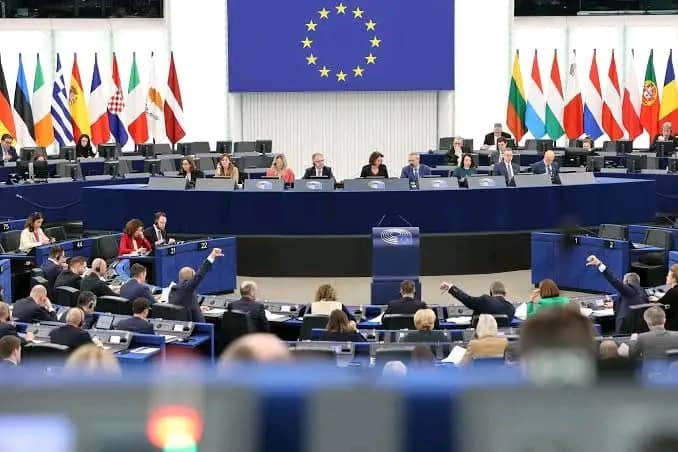
The European Parliament overwhelmingly approved a resolution Thursday calling for an EU-wide response to maritime drug trafficking, voting 601 to 4, with 5 abstentions, to bolster intelligence sharing, surveillance, and international judicial cooperation.
The resolution places a sharp focus on West Africa and specifically names Sierra Leone in a call for stronger cross-border judicial efforts to apprehend fugitive Dutch drug trafficker Jos Leijdekkers, popularly known as “Bolle Jos.”
Leijdekkers, convicted in both the Netherlands and Belgium for high-level cocaine smuggling and listed among Europe’s most wanted fugitives, remains at large and is reported to be operating out of Freetown.
European Parliament research from 2026 and a June report by the Global Initiative Against Transnational Organized Crime highlight Sierra Leone’s growing prominence as a key transit hub in cocaine routes linking West Africa to Northern and Southern Europe. Reports document alleged links between maritime vessels operating out of Sierra Leone and the Leijdekkers network, underlining the urgent need to prevent convicted offenders from evading justice in third countries.
Beyond specific fugitives, the resolution targets the broader mechanics of maritime drug operations, pointing to the increasing deployment of go-fast boats, semi-submersibles, and commercial fishing vessels by organized crime networks. To counter these tactics, lawmakers are urging member states and national law enforcement agencies to intensify maritime surveillance and streamline cross-border intelligence exchange.
In addition to law enforcement and judicial mechanisms, the Parliament emphasized a comprehensive strategy to mitigate drug-related harm. The resolution calls for targeted investments in prevention, addiction treatment, and community resilience alongside maritime interdiction efforts.


Comments